The gap between "it works" and "it looks good" has been the quiet frustration of vibe coding since the beginning. Lovable just shipped something that directly targets that problem. The Lovable aesthetics update introduces design-first capabilities into the AI-driven build process, letting users shape the visual identity of an app before the Agent ever starts generating code.
This matters because most vibe-coded apps have had a recognizable sameness to them. The generic Tailwind purple, gradient titles, and boxy dashboards make most Lovable app designs look similar. That's not a prompt engineering failure. It's a tooling limitation, and this update is a direct attempt to fix it.
As someone who covers this space daily, the design quality ceiling in AI builders has been the most consistent complaint I hear from non-technical founders. Functional apps are table stakes now. Visual differentiation is where the real work starts.
What the Aesthetics Update Actually Does
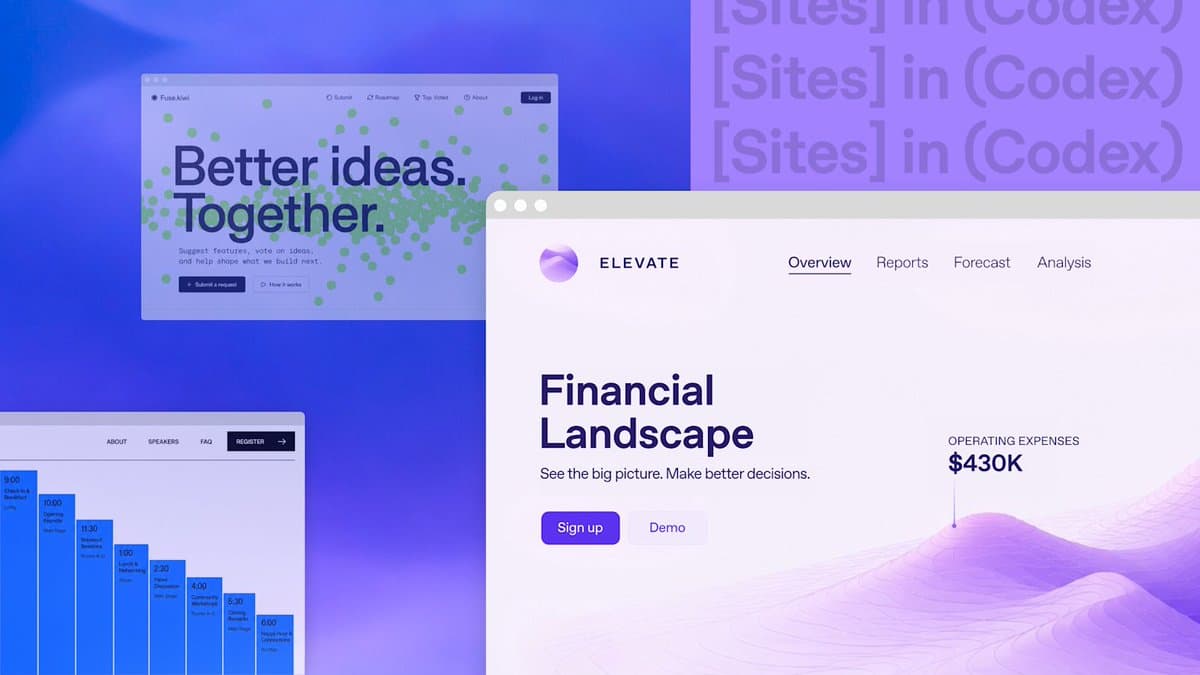
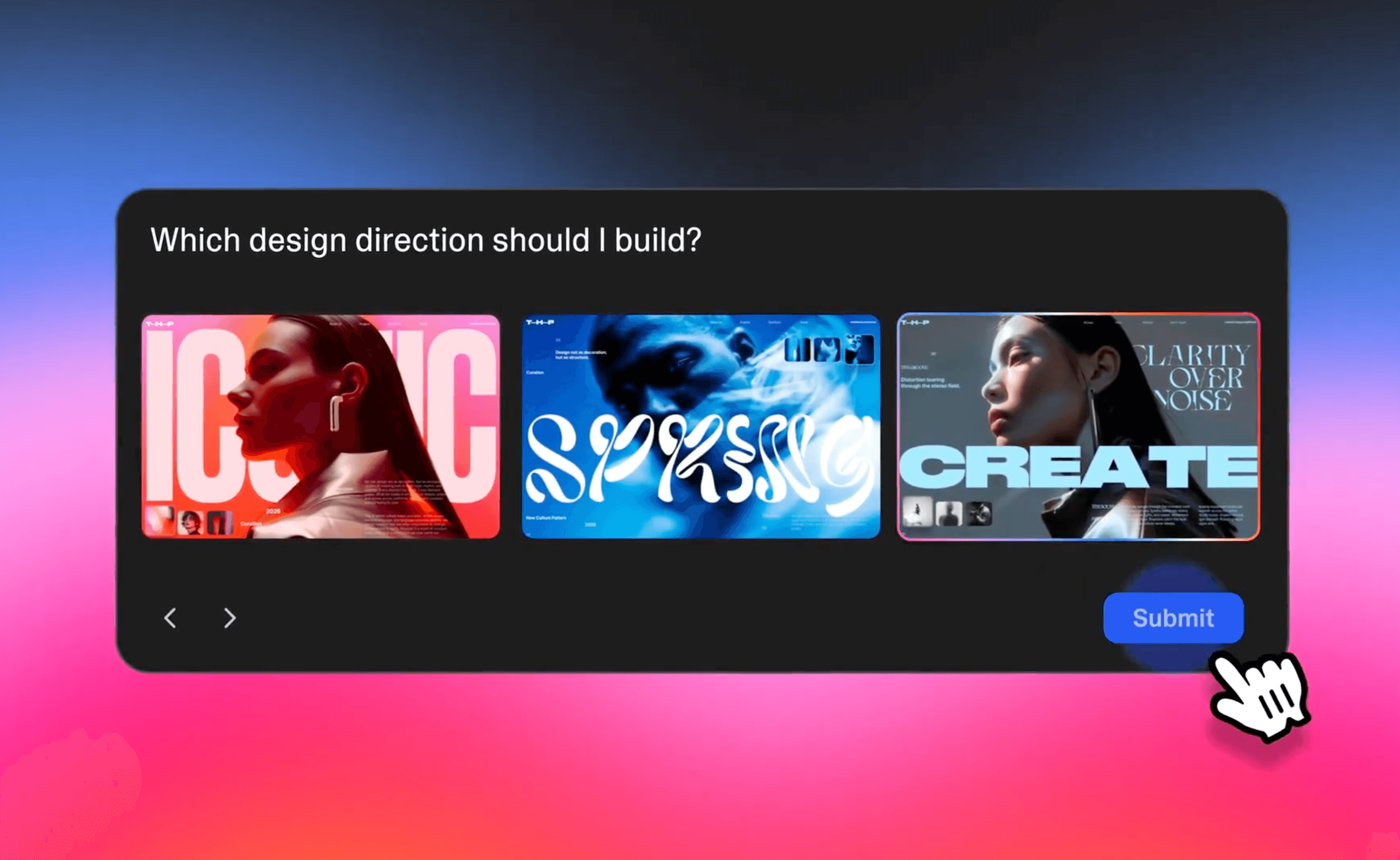
The aesthetics update introduces a new level of design in vibe coding, letting users ask for typography, layout, and color preferences, preview design concepts before building, and create bolder landing pages, apps, and blogs.
The key shift here is sequencing. Previously, design decisions were mostly reactive. You'd prompt, get a result, then iterate to fix visual issues. Now the Agent can surface design concepts for your approval before it commits to building anything. That's a meaningful change in how the creative loop works.
The Design view provides a dedicated panel where you can switch between your project's design tools, including updates to Visual Edits as well as new features including Themes and AI image generation.
Key Technical Highlights
The update builds on Lovable's existing design infrastructure and extends it in several directions:
- Themes: Set brand standards once, including colors, typography, and spacing, apply them to any project, and preview themes before applying to see how they'll look.
- Visual Edits: Access Visual Edits from the Design view or the prompt box, edit text in elements with mixed content like buttons containing both text and icons, select and edit multiple elements at once, change text directly on the page, and adjust margins, padding, borders, shadows, colors, and icons.
- AI Image Generation: Generate custom images by describing what you want, create original visuals for your projects without leaving Lovable, and image generation does not consume Lovable credits.
- Workspace Themes: Themes let you set brand standards and reuse them across your workspace, including colors, typography, and spacing.
The no-credit-cost image generation is a practical detail worth noting. It removes the friction of iterating on visuals separately from the build.
How the Agent Handles Design Now
Since July 2025, Lovable runs in Agent Mode by default. It's not just a chatbot that writes code. It's an autonomous system that can research your existing codebase, search the web for solutions, debug errors on its own, and generate images.
The aesthetics update slots into that agent architecture directly. When you describe your design preferences, the Agent can now treat typography, color, and layout as first-class inputs rather than afterthoughts. The Themes feature gives you centralized control over your app's visual identity. Colors, typography, and spacing are all managed from one panel with live preview. If you've built a design system in Figma, this will feel familiar. Define your brand tokens once, and they propagate across every component.
That token-propagation behavior is where this gets technically interesting for anyone who has dealt with design consistency at scale. You're not just changing a color. You're updating a design contract that the entire app respects.
Lovable's Agent now incorporates Claude Opus 4.5 for core parts, bringing major improvements to planning, design quality, and accuracy. This results in smoother development loops, 20% fewer errors, and better overall project success, available automatically to all users at no additional cost.
What This Means for the Industry
The vibe coding space has been competitive. Tools like Bolt and v0 are all chasing the same user base. Lovable and v0 both managed to build something workable with just a single prompt, but Bolt couldn't even with six rounds of re-prompting. Lovable has held a functional edge. The aesthetics update is an attempt to extend that lead into visual quality.
Lovable is at $100M ARR, with a $330M Series B in December 2025 at a $6.6B valuation, backed by Nvidia and Salesforce. At that scale, shipping a design-quality update isn't just a product feature. It's a signal that the platform is targeting professional use cases, not just weekend prototypes.
For designers specifically, Lovable sits at an interesting intersection. It's not trying to replace Figma. It's trying to be what happens after Figma. The place where your designs become real, functional products you can deploy, test, and iterate on.
Why You Should Care
Visual Edits let you modify UI elements, adjust layouts, and update styling without writing code. Combined with the new pre-build design preview, this means the feedback loop between idea and polished interface is now much shorter.
Design updates are rolling out progressively and should be available to all users by end of the week. No separate plan required. You can edit and create new images with AI, so you can level up your apps without leaving Lovable or hunting for stock photos. Describe the image you want and let Lovable create it for you.
For marketing teams, that's a concrete workflow change. Marketing teams can ship campaigns the same day. Pull your briefs from Notion, connect your backend automations through n8n, and you're set. No design support? Easily generate custom images and apply your workspace themes.
Final Thoughts
The aesthetics update is the right move at the right time. The criticism that AI-built apps all look the same has been valid, and Lovable is addressing it at the infrastructure level rather than just telling users to write better prompts. The design preview before build is the feature I'll be watching most closely. It changes the mental model from "generate and fix" to "agree and build," which is a more honest representation of how design decisions should work.
The Claude Opus 4.5 integration underneath all of this is also worth tracking. Better planning and design quality from the model layer means the visual improvements aren't just cosmetic tooling. They're backed by a smarter agent that understands what "bolder" or "editorial" actually means in layout terms. The open question is how far that understanding goes when users push for genuinely unconventional design directions.
If you're building with Lovable right now, the Themes panel is the first thing to explore. Set your tokens early and let the agent build around them. What do you think of the aesthetics update? Drop your thoughts in the comments.
Frequently Asked Questions
5 questions
1What is the Lovable aesthetics update?
It's a new level of design in vibe coding that lets users ask for typography, layout, and color preferences, preview design concepts before building, and create bolder landing pages, apps, and blogs.
2Can I preview designs before the AI starts building?
Yes. The update introduces a pre-build design concept preview, so you can approve the visual direction before the Agent writes any code. This is one of the core workflow changes in the release.
3Does AI image generation cost extra credits?
AI image generation does not consume Lovable credits. You can generate custom visuals freely as part of your build.
4How does the Themes feature work?
The Themes feature gives you centralized control over your app's visual identity. Colors, typography, and spacing are all managed from one panel with live preview. Define your brand tokens once, and they propagate across every component.
5Is the aesthetics update available to all users?
Design updates are rolling out progressively and should be available to all users by the end of the week. No additional plan or cost is required.