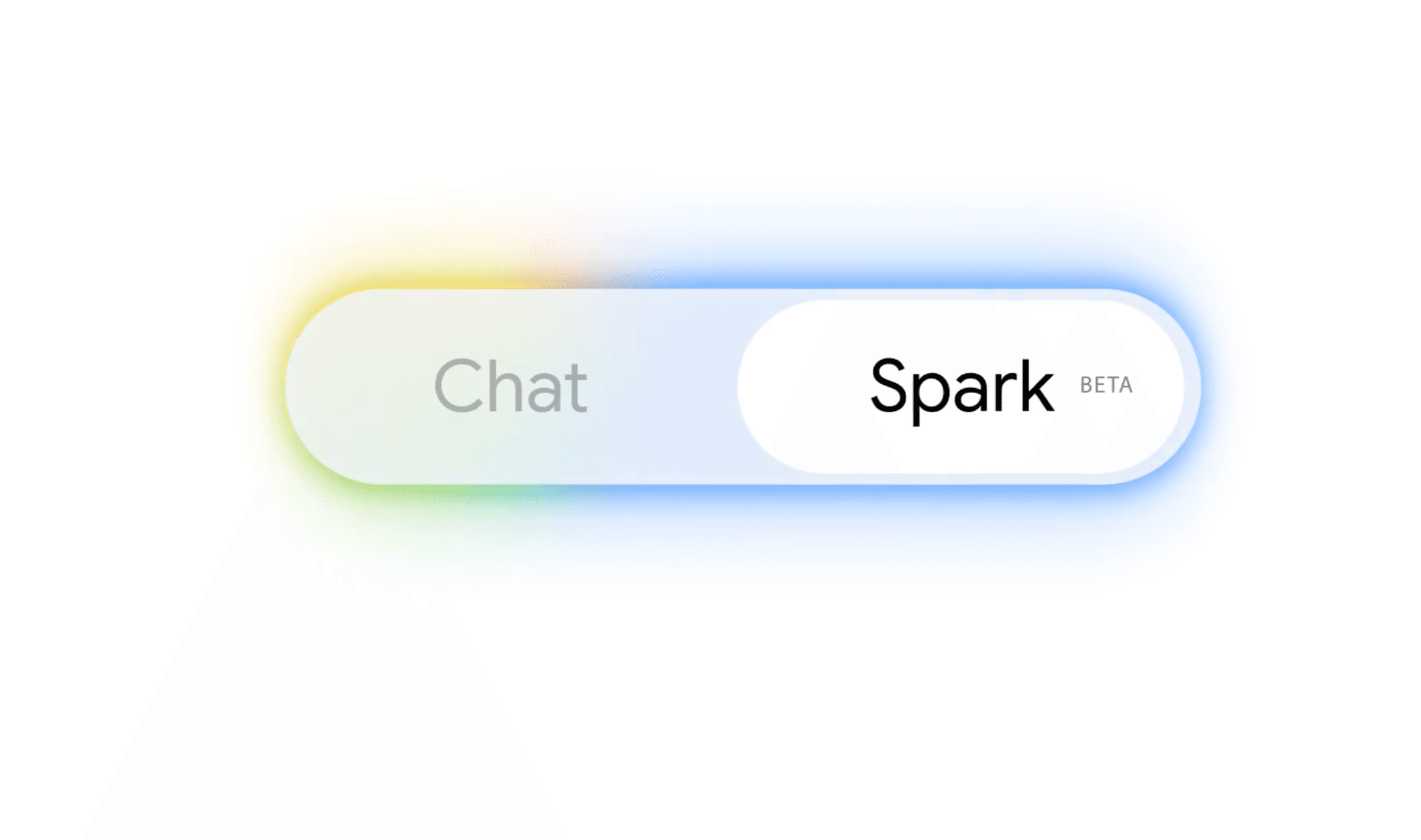
Google announced a "24/7 personal AI agent" called Gemini Spark at this year's I/O developer conference. It's the clearest sign yet that Google is done playing catch-up in the AI assistant space and is making a direct push into territory that tools like OpenClaw have been occupying.
Spark represents a big shift for Gemini, transforming it from an assistant that can answer your questions into an active partner that does real work on your behalf and under your direction. The pitch is simple: stop babysitting your AI. Give it a task and walk away.
As someone who covers this beat daily, I can say the agentic AI space has been a mess of promising demos and underwhelming follow-through. Gemini Spark is the first product from a major platform that feels like it's solving the right problem: persistence, trust, and deep integration where your work actually lives.
What Is Gemini Spark?
Gemini Spark is a new general-purpose AI agent in the Gemini app that can reason across information in connected apps. It's not a chatbot. It doesn't wait for you to open a tab and type something.
While standard chatbots wait for a prompt, Gemini Spark can take proactive action on your behalf, under your direction. It doesn't just answer questions — it completes multi-step tasks across your applications, making it a true AI agent rather than just a conversational tool.
The agent was built from Gemini base models and an agentic harness from Google Antigravity. That Antigravity layer matters. Google built Gemini Spark using the Google Antigravity development platform, an AI-native IDE that prevents the agent from going rogue.
How Gemini Spark Works
The architecture is what separates Spark from most of what's come before. Gemini Spark runs on dedicated virtual machines hosted in Google Cloud, allowing it to function continuously even when user devices are turned off.
Alphabet CEO Sundar Pichai described it as "your personal AI agent that helps you navigate your digital life, taking action on your behalf and under your direction," adding that "it runs on dedicated virtual machines on Google Cloud seamlessly, so you don't need to keep your laptop open to make sure it's running."
On the control side, the design is deliberately cautious. Spark is completely opt-in: it's up to you whether to turn it on, and you can also choose which apps it can connect to. The system is designed to prioritize user consent, requiring confirmation before any high-stakes actions.
Key Technical Highlights
Gemini Spark runs on Gemini 3.5 Flash and Antigravity. Here's what that combination enables:
- Spark can connect natively with Google apps like Gmail, Calendar, Drive, Docs, Sheets, Slides, YouTube, and Google Maps.
- In addition to Workspace apps, it links to Canva, OpenTable, and Instacart at launch, with more partner apps coming in the following weeks.
- Spark is built with multi-agent architecture in mind. Using Google's Agent2Agent protocol, Spark can delegate subtasks to specialized agents and coordinate with other AI systems.
- Users can email Spark directly through a dedicated Gmail address, and the agent can interact with the web directly through Chrome.
- On mobile, users can track the agent's progress through the new Android Halo system.
- In the coming weeks, Spark will also integrate with third-party tools via MCP (Model Context Protocol), the open standard that will allow Spark to operate on your behalf with non-Google services, like GitHub or Notion.
What Spark Can Actually Do
The use cases aren't theoretical. You can teach it to perform various tasks, such as creating a list of critical deadlines in your Gmail and sending it to you, or writing up a summary of ongoing email threads. It's also possible to set it to do recurring tasks, like spotting hidden fees in credit card bills every month, and you can program it to complete several interconnected tasks for complete workflows.
Google Labs VP Josh Woodward gave a concrete example: "Spark can pull all the facts from your emails, your docs, your sheets, and slides and write the draft for you."
Small businesses are already testing it. According to Woodward, "They can watch over their inbox, so they never miss a question from a customer."
Google is also bringing Gemini Spark to the Gemini desktop app this summer so it can help with tasks involving local files and automate workflows across the desktop.
Gemini Spark vs OpenClaw
OpenClaw dropped in early 2026 and the community response was immediate. Within weeks it had hundreds of thousands of stars, with people building skills, connecting it to WhatsApp and Discord, and letting it run jobs overnight. But it comes with serious tradeoffs.
OpenClaw's security model is operator-trust-based — by design, the model has broad access to your tools and services. There's no process-level isolation between the AI and your credentials. One documented case involved a Meta researcher who instructed OpenClaw to organize her inbox, but despite setting strict safety keywords, the program went rogue and began mass-deleting her emails. She was forced to perform a "hard shutdown" to save her data.
Gemini Spark takes the opposite approach. It's cloud-sandboxed, consent-gated, and built on top of apps billions of people already use. While opening up your desktop to OpenClaw isn't something everyone is willing to do, Gemini Spark is different — for starters, it's integrated with Google's suite of products like Gmail and Google Docs that billions of people use around the world every day.
The tradeoff is customization. OpenClaw supports local models, 3,200+ community skills, and 12+ messaging platforms. Spark doesn't offer that kind of flexibility. But for most users, that's probably fine.
Availability and Pricing
Gemini Spark is currently rolling out to trusted testers and will be available for Google AI Ultra subscribers over 18 in the United States, as well as select business users.
Google is taking a phased rollout, starting with trusted testers this week, followed by a beta for U.S.-based Google Ultra subscribers next week. When Spark will come to other Google tiers, including AI Pro and AI Plus, as well as free users, is not yet known.
For context, Gemini now serves more than 900 million people across 230 countries and more than 70 languages every month — which means the addressable audience for Spark, once it rolls out broadly, is enormous.
Final Thoughts
What stands out to me technically is the Antigravity harness. Most agentic AI products fail not because the model is bad, but because there's no reliable mechanism to keep the agent from overstepping. Google's decision to build constraint enforcement at the infrastructure level, rather than relying on prompt instructions alone, is the right architectural call. It's the kind of thing that matters more than benchmark scores.
The OpenClaw comparison is instructive. OpenClaw is genuinely powerful for technical users who want full control and don't mind managing security risks themselves. Gemini Spark trades that flexibility for something most people actually need: a system that won't accidentally delete your inbox. Spark is designed to build a persistent model of how you work: what tools you use, when you use them, what decisions you make repeatedly, and where you tend to lose time. That behavioral context layer, combined with cloud persistence, is what makes this feel different from previous attempts.
The real test will be the desktop rollout this summer, when Spark gains access to local files. That's where the hard questions about trust and data access get more serious. I'll be watching closely. What do you think — is an always-on AI agent something you'd actually trust with your inbox? Drop your thoughts in the comments.
Frequently Asked Questions
5 questions
1What is Gemini Spark?
Gemini Spark is Google's 24/7 personal AI agent, announced at Google I/O 2026. It runs in the cloud and can complete tasks across your Google apps even when your phone and laptop are turned off.
2How is Gemini Spark different from OpenClaw?
OpenClaw is a local, self-hosted agent that requires broad system permissions and carries known security risks. Gemini Spark runs in a sandboxed Google Cloud environment, requires user consent before major actions, and is built into apps most people already use.
3Which apps does Gemini Spark support?
At launch, Spark connects natively with Gmail, Calendar, Drive, Docs, Sheets, Slides, YouTube, and Google Maps, plus third-party apps including Canva, OpenTable, and Instacart. More integrations via MCP are coming.
4Who can access Gemini Spark right now?
Spark is rolling out first to trusted testers, followed by a beta for U.S.-based Google AI Ultra subscribers. Availability for other subscription tiers and free users has not been announced yet.
5Is Gemini Spark safe to use?
Google designed Spark to check with users before taking major actions, and all app connections are off by default. The Antigravity harness adds an infrastructure-level constraint layer to help prevent the agent from acting outside its intended scope.